
One More Chance: How to Clear Bad Credit History in the Philippines
Tue, 07/28/2026 | Edited by Joaquin Guinoo
Credit is the key to unlocking new opportunities in life. Need to take out a loan for a car? Grow your credit. Want a new credit card to help with daily expenses? Grow your credit.
So, what happens if your credit isn't up to par? Or worse: What if you're blacklisted for credit? To quote a certain iconic movie: “She had me at my worst. You had me at my best. Pero binaliwala mo ang lahat...”
Don’t worry, luv. It’s not the end of the world. You still have one more chance with credit repair!
Bad credit occurs when your credit score drops due to negative financial behavior.
These can include late payments, defaults on loans, high credit utilization, and even too many credit inquiries.
Simply put, bad credit tells lenders that you're a risky borrower, which can make it harder to get approved for loans, credit cards, or even rent an apartment.
But luv, having bad credit doesn’t mean you’re stuck there forever. 💜 Negative marks on your credit report, like late payments, defaults, and unpaid accounts, may stay on your record for several years depending on the type of information and reporting guidelines.
The good news? With consistent payments, responsible borrowing, and better money habits, you can start rebuilding your credit over time. 💜
Aside from having a hard time getting approved for loans and credit cards, bad credit can have a wider impact on your life.
It can result in higher interest rates on loans, difficulty in securing housing, and even potential job denials if employers check your credit as part of their hiring process.
In the long run, poor credit can cost you thousands of pesos and limit your financial freedom, making credit repair a critical step.
Your credit score is like your financial report card, luv. It shows lenders how responsibly you manage borrowed money.
Your score is based on factors like your payment history (if you pay bills and loans on time), credit utilization (how much of your available credit you use), length of credit history (how long you’ve been managing credit), types of credit you have, and recent credit applications.
In the Philippines, credit information is collected by credit bureaus like TransUnion, CIBI, and CRIF. These organizations help maintain your credit records and provide reports that lenders use when reviewing applications.
When you apply for a loan or credit card, lenders check your credit score along with other details like your income and existing debts. A healthier credit profile can improve your chances of approval and help you access better loan terms.
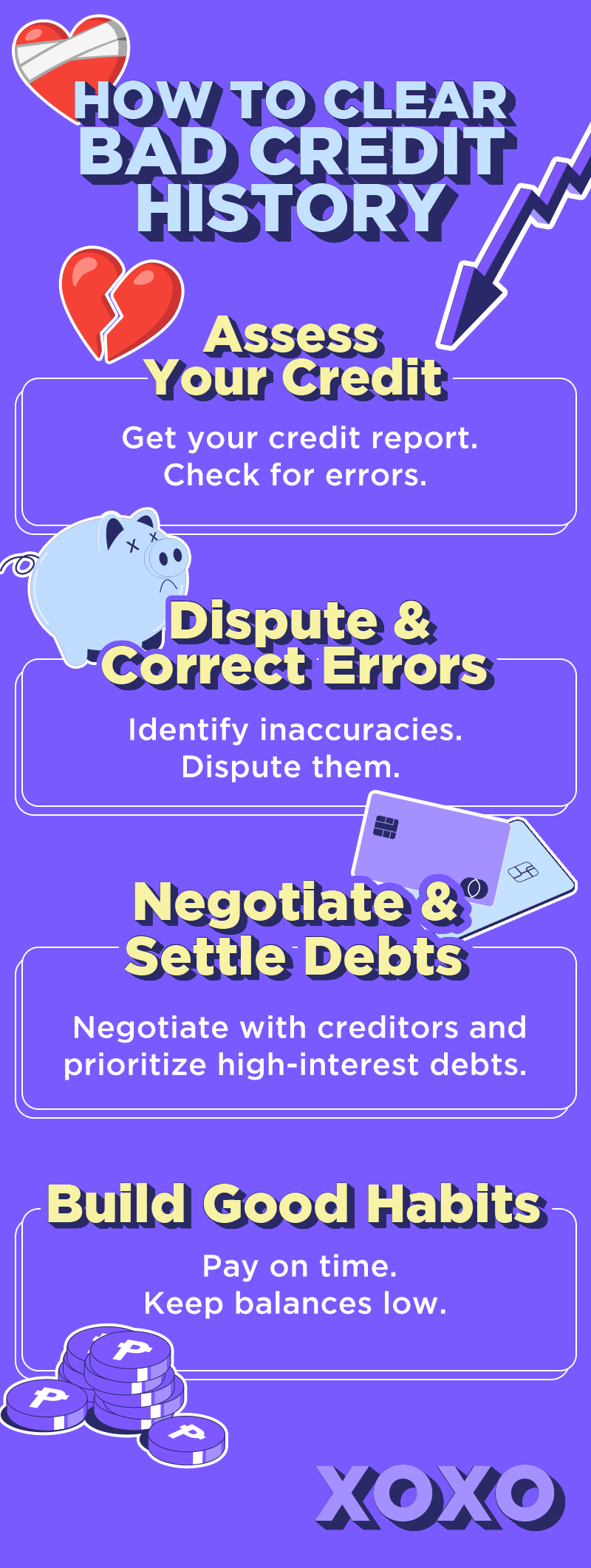
It all begins here, luv. Here’s how to assess your credit situation:
Luv, your credit score can take a hit when your borrowing habits change. Here are some common reasons why it may drop:
The good news? By staying consistent with payments and keeping your finances in check, you can start rebuilding your credit over time. 💜
Found something wrong in your credit report, luv? Don’t worry—you can request a correction and make sure your credit history reflects the right information. 💜
Here’s how:
Subject: Request for Correction of Credit Report Information
Hello, I would like to request a review and correction of the following information in my credit report:
Account/Information being disputed:
Reason for dispute:
Supporting documents attached:
Thank you for your assistance in updating my credit record.
Remember, luv: checking your credit report regularly helps you catch mistakes early and keep your financial story accurate. 💜
Bad credit doesn’t just affect loans, luv—it can also impact everyday financial opportunities. 💜
Here’s how:
Your credit history tells a story about your financial habits, luv. Taking care of it today can help open more opportunities tomorrow. 💜
If your credit history doesn’t look good after your assessment, don’t panic. Stay calm and go straight to credit repair mode.
Whether you’re building credit for the first time or getting back on track, Tonik Credit Builder Loan can help you develop healthy borrowing habits.
It’s designed to help you establish a positive credit history by giving you the chance to practice responsible repayments. Tonik Clients may select the due date of their monthly loan repayment, and the amount is automatically debited from their account on the due date set. Consistently paying on time can help strengthen your credit profile over time.
It’s a great option for first-time borrowers, those who’ve experienced loan rejections, and young professionals who want to build a stronger financial foundation.
Remember, luv: good credit isn’t built overnight. Small, consistent steps today can help unlock better financial opportunities in the future. 💜
Got debts to manage, luv? Don’t worry—having a plan can help you take control and work your way toward better financial health. 💜
Here are some strategies you can try:
The key, luv? Find a repayment strategy that fits your budget and stick with it. Small steps can help you move closer to financial freedom. 💜
Once you pull off credit repair successfully, it’s time to make sure that you won’t need to do it again. Start building good credit habits!
Managing your credit can be easier with the right digital tools, luv. 💜 Small reminders and smart features can help you stay on track.
Here are some tools you can use:
A little help from technology can go a long way in building healthier money habits, luv. 💜
Credit repair can be overwhelming, so don’t hesitate to ask for help when needed. You can use credit repair services, but know the pros and cons first.
Pros of Credit Repair
Cons of Credit Repair
Tips for Choosing a Reputable Credit Repair Service
Luv, you have options when it comes to repairing your credit. 💜 You can take the DIY route by reviewing your credit report, disputing errors, and creating a repayment plan on your own. This can save money, but it may require more time and effort.
If you need extra guidance, a credit repair professional can help you understand the process, manage disputes, and negotiate with creditors. Just remember to choose carefully and check if the service is trustworthy.
Be careful of companies that promise quick fixes or guaranteed credit score increases. 🚩
Avoid services that:
Remember, luv: rebuilding your credit takes time. The best “credit repair tool” is still consistent payments and responsible money habits. 💜
Even if your credit history has hit rock bottom, don’t forget that you have rights under Philippine law, such as the Data Privacy Act and the Fair Credit Reporting Act.
If you believe your rights have been violated, take the necessary steps to protect yourself and rectify the situation. Knowing your legal protections is a crucial aspect of credit repair.
To keep your credit healthy, regularly monitor your credit report and build an emergency fund to avoid future financial hiccups.
Educating yourself on credit management and financial literacy will also help you make informed decisions and avoid the need for future credit repair.
Luv, building good credit starts with small, consistent habits. 💜 Here are simple ways to protect your credit health:
Build an Emergency Fund
Set aside savings for unexpected expenses so you won’t need to rely too much on loans or credit when emergencies happen.
Practice Healthy Saving Habits
Create a budget, track your spending, and make saving a regular part of your financial routine.
Keep Your Debt Manageable
Maintain a healthy debt-to-income ratio by making sure your monthly debt payments stay within what you can comfortably afford.
Borrow Responsibly
Before taking on new credit, make sure the payments fit your budget and support your financial goals.
Remember, luv: a strong credit profile is built one smart money decision at a time. 💜
While it's tempting to seek a quick fix, bad credit history can't simply be erased. However, by following the steps outlined in this guide, you can gradually rebuild your credit and unlock better financial opportunities through dedicated and consistent credit repair efforts.
Taking control of your credit is vital for your financial well-being. By understanding the importance of good credit, assessing your situation, and proactively repairing any issues, you can pave the way for a brighter, more financially secure future.
If you want to make sure that your credit is secure, you should start building today with
Tonik Credit Builder Loan! Download the Tonik App and apply today.


Luv, it’s a good habit to check your credit report regularly, ideally at least once a year. This helps you spot errors, unfamiliar accounts, or incorrect information early. 💜
You can request your credit report through authorized credit information providers. Some providers may offer free access or promotional options, depending on their current policies.
Don’t panic, luv. Report any unfamiliar accounts immediately to the credit bureau and the financial institution involved. It could be an error or a sign of possible fraud.
Negative information may remain on your credit report for several years, depending on the type of record and reporting guidelines. The good news? Responsible financial habits can help improve your credit profile over time.
Having unpaid debt does not automatically stop you from leaving the country. However, unresolved debts may affect your credit standing and future financial applications.
Settling a debt is a positive step, luv, but your credit score may not improve instantly. Credit recovery takes time and depends on your overall payment history and financial habits.
Yes, you may still apply for loans, but approval depends on factors like your income, credit history, and lender requirements. Building good credit habits can improve your chances over time.
Debt consolidation can help simplify payments when done responsibly. Before choosing this option, check the terms, fees, and repayment conditions to make sure it fits your budget.
There’s no instant fix, luv. The best way is to consistently pay on time, keep debts manageable, avoid unnecessary credit applications, and practice healthy money habits. 💜