
Leaving the Country with Unpaid Credit Card Debt in the Philippines: What You Need to Know
Thu, 08/27/2026
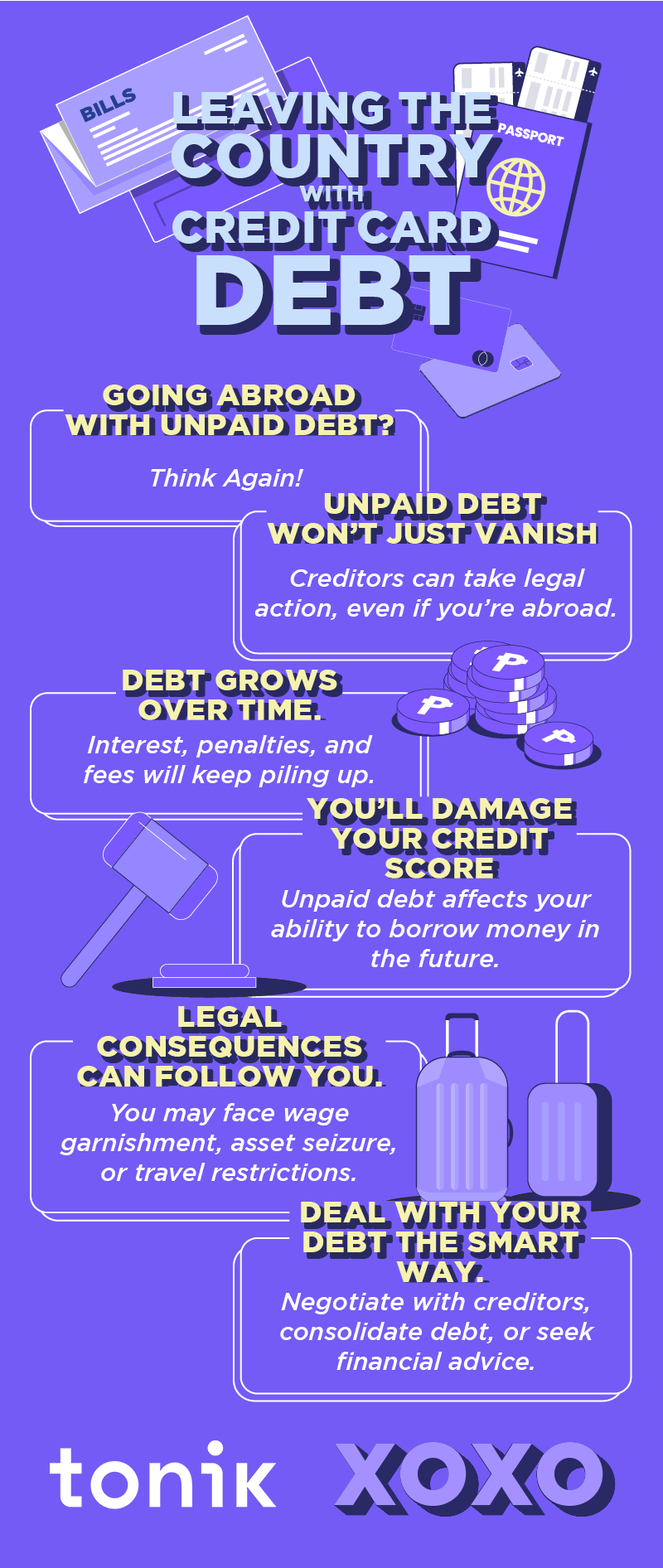
💡 Quick Take: Leaving the Philippines with Unpaid Credit Card Debt
Is it a crime?
Nope. Unpaid credit card is a civil issue, not a criminal one. No jail time here.
Can you leave the country if you have debt?
Yes. Immigration won’t stop you just because you have unpaid credit card bills.
Will banks or creditors take legal action?
Very possible. Creditors can file a case, get a court judgement, and legally go after assets or income.
Does your debt disappear once you’re abroad?
Nope. Interest, penalties, and legal fees don’t stop—they keep growing while you’re away.
Can this affect future travel plans?
Yes. Court action may lead to a Hold Departure Order (HDO) or blacklisting.
What’s the smart move?
Don’t ignore it. Negotiate, restructure, or settle your debt before leaving to avoid bigger legal, financial, and stress-filled headaches later.
Can unpaid credit card debt stop you at the airport? ✈️🚫
Short answer: No. Having unpaid credit card debt alone won’t get you stopped at immigration.
What’s the difference between an HDO and an ILBO? ⚠️
So when will immigration actually stop someone? 🛑
Only if there’s a court-issued order (like an HDO). No court order = no automatic travel ban.
Real-life scenarios 👇
Tonik Tip: Debt alone won’t ground your travel plans—but ignoring it can lead to legal action that might.
Why would someone think about leaving the country with unpaid credit card debt? One common reason is the hope of finding a better-paying job abroad to start fresh, leaving behind their financial problems. Some might even think they can simply avoid the aggressive collection efforts or the rising penalties and interest rates.
Then there’s the myth that unpaid credit card debt in the Philippines doesn’t lead to any legal consequences. Unfortunately, that’s not entirely true. While you won’t be thrown behind bars for unpaid credit card debt, creditors can still take legal action to get their money back. And that’s a whole other headache you don’t want to deal with.
Let’s clear this up: no, you won’t go to jail for unpaid credit card debt in the Philippines. Credit card debt is considered a civil matter, not a criminal one. But you’re still legally obligated to pay what you owe. And just because you’re no longer in the Philippines doesn’t mean your debts stay behind.
Leaving the Philippines with unpaid credit card debt can put you in a tough spot. Creditors can and usually will take legal action to recover what’s owed to them. This could result in a court ruling that impacts any assets or income you have left in the country. Even worse, your debt will continue to grow due to interest, fees, and penalties while you’re abroad.
Absolutely! Creditors can file lawsuits against you to recover unpaid debt, and while enforcing those actions when you’re outside the Philippines might be tricky, it’s not impossible. Depending on the circumstances, you could face challenges with assets or wages being garnished. Plus, there’s always the risk of legal judgments piling up and affecting you down the line.
While the Bureau of Immigration won’t stop you from leaving the country just because you owe money, future re-entry could be a different story. If a creditor takes you to court and wins, you might face a hold-departure order or even be blacklisted in the future. Long story short: unresolved debt could mess up your plans to come back home, especially if legal action has been taken.
Think your credit score stays the same just because you left the country? Think again. Unpaid debt will likely tank your credit score, making it harder to borrow money in the future, whether you’re in the Philippines or abroad. Lenders everywhere can see your credit history, and if it’s filled with unpaid debt, don’t be surprised when you struggle to secure loans or credit cards later on.
No credit history? Start building your credit score with Tonik here.
Sadly, yes. If you leave the country with unpaid credit card debt, it doesn’t just sit there and wait for you to come back. Interest, late fees, and penalties will keep stacking up. What started as a manageable balance can quickly spiral into something much worse—and fast.
Totally. If a creditor takes you to court and wins, you could end up facing wage garnishment or asset seizure, which only makes your financial situation worse. And don’t forget about the additional court fees or legal expenses that could pile up on top of everything else.
How can debt affect OFWs applying for jobs abroad? 💼
While unpaid credit card debt doesn’t automatically block overseas work, some recruitment agencies and employers may check financial background as part of their screening. Heavy or unresolved debt can raise red flags about financial stability.
Can unpaid debt affect POEA/OEC clearance? 🛂
Generally, no—credit card debt alone doesn’t prevent POEA or OEC clearance. However, if unpaid debt escalates into a court case with an HDO, that’s when problems can arise.
Planning to leave but want to fix your debt responsibly? ✅
Here are smart, OFW-approved steps to take before departure:
Coming home with debt? Here’s what to do next:
Tonik Tip for OFWs: Working abroad is about building a better future—handing debt early helps protect your income, mobility, and peace of mind. 💜
Leaving the country with unpaid debt raises some serious ethical questions. Sure, it might feel like an easy way out, but failing to pay back what you owe can hurt your personal integrity. If you have the means to work out a solution, skipping out on your debts could lead to feelings of guilt and regret down the line.
Unpaid credit card debt can also create social stigma. People talk, and your financial situation could become public knowledge, straining relationships with family and friends. Leaving debts behind might seem like an escape at first, but it could harm your reputation more than you think.
Before you even think about leaving the country, consider some strategies to get your debt under control. Debt consolidation is a great option—it allows you to combine all your debts into one manageable payment with a lower interest rate. This makes keeping up with payments a lot easier.
It might sound scary, but creditors are often willing to negotiate, especially if they see you’re trying to pay off what you owe. You can ask for a reduced settlement or work out a payment plan that fits your budget. This will help prevent legal action and get your finances back on track.
At Tonik Bank, our Collections Team’s lines are always open. Learn more about our loan repayment process here.
Before making any major decisions, it’s a good idea to talk to a financial advisor or legal expert. They can give you advice on your options, help you understand the consequences of leaving unpaid debts, and even guide you toward a solution.
If you’re feeling overwhelmed by your debt, look into debt relief options available in the Philippines. Programs like debt restructuring or financial counseling can offer the help you need without you having to leave the country.
Clearing your debts before you leave the Philippines is the best way to avoid future problems. By paying off what you owe, you’ll protect your credit score, avoid legal issues, and set yourself up for financial success in your new life abroad.
Q: Can I migrate abroad with unpaid debt in the Philippines?
A: Yes. Having unpaid debt doesn’t automatically stop you from leaving the country. Banks don’t have the power to block travel unless there’s an active court order. ✈️
Q: Will immigration stop me if I have unpaid credit card bills?
A: Nope. Immigration officers don’t check credit card balances. You’ll only be flagged if there’s a legal hold or watchlist order issued by the court.
Q: How long can banks chase me for debt?
A: Banks can follow up on unpaid debts for years, but there’s a legal time limit (called the statute of limitations) on when they can file a court case.
Q: Is it better to declare bankruptcy or negotiate a settlement?
A: In the Philippines, bankruptcy isn’t common for personal credit. Negotiating a settlement or payment plan is usually the smarter and faster move.
Q: Does unpaid debt in the Philippines affect my credit abroad?
A: Generally, no. Philippine credit records don’t automatically carry over to other countries, unless you’re dealing with the same international bank. 🌍
Q: How long before banks sue me for unpaid debt?
A: Legal action usually happens only after long periods of non-payment and failed negotiations. Most banks prefer to settle before going to court.
Q: Can my family be held responsible for the debt if I leave?
A: No. Your debt is personal. Family members aren’t legally responsible unless they co-signed or guaranteed the loan.
Q: How much debt is “too much” before legal action?
A: There’s no fixed amount. Banks consider factors like total balance, payment history, and how responsive the borrower is. 💸
Q: Will foreign embassies or visa applications check my Philippine credit score?
A: No. Embassies don’t access Philippine credit databases. Visa decisions are usually based on income, documents, and travel history.
Q: Can unpaid debt affect visa approval for the U.S., Canada, Australia, or the UK?
A: Not directly. What matters more is your financial stability and proof of funds, not local credit card debt. 💼
Q: How long can creditors chase you (statute of limitations for credit card debt)?
A: Creditors have a limited number of years to file a case. After that, the debt may still exist, but court action is no longer an option.
Q: What happens if a case is filed while you’re abroad?
A: The case can still move forward locally, but enforcement becomes more complex. This is why it’s always best to communicate and settle early. ⚖️
Unpaid debts can take a serious hit on your credit score—making it harder to get approved for loans, rent a place, or even qualify for certain jobs in the Philippines. 😬
But here’s the good news: a low credit score isn’t forever. With the right tools and smart habits, you can rebuild it—and Tonik’s got your back.
What Is a Credit Builder Loan?
A Credit Builder Loan is made for people who want to repair or strengthen their credit score. With Tonik’s Credit Builder Loan, you can get quick cash of up to ₱50,000 straight from the Tonik App.
As you make small, regular repayments, your good payment behavior gets recorded—helping you slowly but surely improve your credit standing. 📈
How Tonik’s Credit Builder Loan Helps 💜
Who Should Consider It?
Ready to start repairing your credit?
Learn more about Tonik’s Credit Builder Loan and take your first step toward a stronger financial future today. 💪